

Introduction
For many PhD candidates, graduation does not represent a simple ending but rather the beginning of an important transition from academic life into professional and long-term settlement planning. The Post Study Work Visa (PSWV) is often regarded as one of the most valuable outcomes of studying in New Zealand because it can provide eligible doctoral graduates with the legal ability to remain in the country, enter the workforce, gain relevant professional experience, and begin building a stronger foundation for future career advancement or residence pathways. However, the value of this visa depends heavily on careful planning, because even a strong academic achievement such as a completed PhD may not be enough on its own if the applicant misunderstands eligibility requirements, applies outside the required timeframe, or fails to prepare the supporting documents properly.
- Correct timing
- Accurate documentation
- Understanding eligibility conditions
- Avoiding avoidable mistakes
What the Post Study Work Visa allows you to do
The PSWV allows eligible graduates to remain in New Zealand after successfully completing an approved qualification and gives them the flexibility to work in the country without being tied to a single employer. This flexibility can be especially valuable for PhD graduates, who may wish to explore academic, research, industry, policy, consulting, or specialist professional roles before deciding on a long-term direction. In many cases, the visa also provides time to gain local experience, understand the labour market, improve employability, and position oneself more strongly for future skilled migration or residence opportunities. For PhD graduates, the visa is commonly granted for up to three years, although applicants must still satisfy the relevant immigration requirements at the time of application.
- Stay in New Zealand after completing an eligible qualification
- Work for any employer
- Build experience towards long-term migration pathways
- Up to three years, subject to meeting requirements
Who can apply
According to official guidance, you may be eligible if:
- You have completed an eligible qualification (such as a PhD)
- Your study was completed in New Zealand
- You apply within the required timeframe
- Your student visa conditions were met
In general, you may be eligible for a PSWV if you have completed an eligible qualification in New Zealand, complied with the conditions attached to your student visa during your studies, and submit your application within the timeframe required under current immigration rules. For PhD graduates, eligibility is usually more straightforward than for some other study pathways, but it is still important not to rely on assumptions. Immigration requirements can be updated, and the details of your personal circumstances, completion evidence, visa history, and timing can all affect the outcome. For that reason, applicants should confirm that they meet the current official criteria before lodging an application.
When to apply
Timing is one of the most important factors in a successful PSWV application because even an otherwise strong application can become complicated if it is submitted too early, too late, or without proper completion evidence. In practical terms, you should apply only after your PhD has been formally completed and, wherever possible, while your student visa is still valid so that your immigration status remains clear and continuous. Delaying the application can create unnecessary risks, including a gap in lawful status, uncertainty about whether you remain eligible, or avoidable stress caused by last-minute document preparation. Careful timing is therefore not just a technical detail but a central part of a well-managed visa strategy.
- After completing your PhD
- Within a specific window after your student visa expires
Practical timeline scenarios
Scenario 1: Ideal Transition
- PhD completed
- Student visa still valid
- PSWV application submitted immediately
Outcome: This is usually the smoothest and least stressful pathway because the applicant moves directly from student status toward post-study work status without creating a visa gap, reducing uncertainty and allowing faster transition into employment planning.
Scenario 2: Delayed Application
- PhD completed
- Student visa expired
- Application submitted late
Outcome: This situation creates a higher level of risk because a late application may lead to questions about lawful status, may affect eligibility, and can introduce avoidable complications that make the process slower, more uncertain, and potentially more costly.
Scenario 3: Early Planning Advantage
- Application documents prepared before completion
- Supervisor confirms thesis submission
- Application filed as soon as eligibility confirmed
Outcome: Early preparation often leads to a stronger and more organised application because the applicant has time to gather documents carefully, confirm completion details, reduce last-minute errors, and submit with greater confidence as soon as eligibility is clearly established.
Required documents
Strong document preparation is one of the simplest ways to reduce delays, avoid unnecessary back-and-forth, and improve the overall quality of a PSWV application. Although exact requirements can vary depending on the applicant’s circumstances, immigration history, and whether further evidence is requested, most applicants will need a core set of identity, qualification, and visa-related documents, along with additional supporting records in some cases. Preparing these materials early gives you more time to check that your information is accurate, consistent, and complete before submission.
Core Documents
- Valid passport
- Completed visa application
- Evidence of qualification completion
- Academic transcript or confirmation letter
Supporting Documents (Commonly Required)
- Proof of identity
- Student visa details
- Evidence of lawful stay in New Zealand
- Medical certificates (if requested)
- Police certificates (if applicable)
Application checklist
PSWV Application Checklist
- Confirm that you are eligible for the PSWV.
- Check your student visa expiry date.
- Obtain your official PhD completion letter.
- Prepare your academic transcript if required.
- Ensure that your passport is valid.
- Complete the visa application form carefully.
- Upload all required supporting documents.
- Arrange medical certificates if requested.
- Prepare police certificates if applicable.
- Submit your application before your visa expires.
- Track the status of your application after submission.
Step-by-step application process
Step 1: Confirm Eligibility
Before doing anything else, you should confirm that your PhD qualification falls within the rules for the PSWV and that your overall study and visa history supports your application. This means checking that your qualification has been formally completed, that it was completed in New Zealand under the relevant conditions, and that your timing aligns with current immigration requirements.
Step 2: Gather Documents
Once eligibility is clear, the next step is to gather all required documents carefully and methodically before starting or submitting the application. This usually includes your passport, proof that your qualification has been completed, any academic confirmation documents, and other records that support your lawful status and identity, as well as any medical or police documentation if requested.
Step 3: Submit Application
After preparing the necessary documents, you should complete and submit the application through Immigration New Zealand’s official process, ensuring that all information entered is accurate, complete, and consistent with the supporting evidence you provide. Small errors or omissions can create delays, so it is important to review everything carefully before final submission.
Step 4: Wait for Decision
Once the application has been submitted, you will need to wait for a decision, and the amount of time this takes can vary depending on application volume, the completeness of your file, and whether immigration officers require further information. During this period, it is important to monitor your application status and respond promptly if any additional documents or clarifications are requested.
Step 5: Transition to Work
Once approved:
- You can work full time
- You can change employers freely
- You can begin long-term career planning
Common mistakes to avoid
This section is intentionally cautious because many PSWV problems do not arise from major disqualifying issues but from avoidable misunderstandings, poor timing, incomplete documents, or incorrect assumptions about how the rules apply in practice. Paying attention to these common mistakes can significantly improve the quality and confidence of your application.
- Applying Too Late
Failing to apply within the required timeframe can create serious visa complications because timing is closely tied to lawful status and eligibility. Even if you have completed your PhD successfully, a delayed application may weaken your position and make the process more difficult than it needs to be.
- Misunderstanding Completion Status
Applicants sometimes assume that submitting a thesis, finishing research, or informally receiving good news from their institution means that their qualification is fully complete for immigration purposes. In reality, formal completion evidence is often essential, and applying before that status is properly confirmed can cause confusion, delays, or eligibility concerns.
- Missing Documents
Incomplete applications are one of the most common reasons for delay because missing documents make it harder for immigration officers to confirm your eligibility efficiently. Even where a missing document does not lead directly to a decline, it can still slow the process and create unnecessary stress.
- Incorrect Assumptions About Eligibility
Not all study pathways are assessed in exactly the same way, and assumptions based on someone else’s experience may not reflect your own circumstances. It is important to confirm eligibility on the basis of your qualification level, study location, timing, and visa history rather than relying on general impressions or unofficial advice.
- Ignoring Visa Conditions
Failing to comply with the conditions of your student visa during your studies can affect a later PSWV application because immigration officers may consider whether your previous status was maintained correctly. This is why compliance during your study period remains important even after your qualification has been completed.
How the PSWV fits into your career strategy
The PSWV is not simply a visa that allows you to stay in New Zealand for a limited period after graduation; it can also function as a strategic bridge between academic success and long-term professional positioning. For many PhD graduates, this period is valuable because it creates time to move from research and study into practical employment, build local credibility, strengthen employability, and explore how their doctoral expertise can be applied in academic, commercial, public sector, or specialist roles. When used thoughtfully, the PSWV can support a broader transition plan that connects study outcomes with future work opportunities and possible residence pathways.
- Gain local work experience
- Build employability
- Transition into skilled roles
- Strengthen residency pathways
PhDtribe supports candidates with:
- End-to-end PhD planning
- Visa timing strategy
- Post-study positioning
- Employer readiness
Plan your PhD-to-career pathway.
FAQ
- How long is the Post Study Work Visa after a PhD in New Zealand?
PhD graduates in New Zealand can typically receive a Post Study Work Visa for up to three years after completing their qualification, which gives them a meaningful period in which to remain in the country, work, and plan their next steps. However, the exact outcome still depends on meeting the relevant immigration requirements at the time of application.
- Can I work for any employer on a PSWV?
Yes. One of the main advantages of the PSWV is that it generally provides open work rights, which means you are not restricted to a single employer and can usually work for any employer in New Zealand. This flexibility can be especially helpful for PhD graduates who want time to explore different roles or sectors.
- When should I apply for the PSWV?
You should generally apply after your qualification has been formally completed and, ideally, before your student visa expires, so that your immigration status remains clear and uninterrupted. Applying at the right time is important because it reduces the risk of eligibility problems and unnecessary stress.
- What happens if I apply late?
If you apply late, your eligibility may be affected, and you may also face additional immigration complications depending on your visa status at that time. In some cases, a late application may require you to consider other visa options or seek further guidance before proceeding.
- Do I need a job offer to apply?
No. A job offer is not usually required to apply for a Post Study Work Visa, which is one reason the visa is so useful for graduates who need time to explore the labour market, search for suitable roles, or decide on a long-term professional direction after completing their PhD.
- Can I stay in New Zealand after my PhD?
Yes. For eligible applicants, the PSWV allows you to remain in New Zealand after completing your PhD and to work during the validity of the visa. This can create valuable time to move from study into employment and to make more informed long-term decisions.
- Does the PSWV lead to residency?
The PSWV does not automatically lead to residency, and holding this visa does not by itself guarantee a future residence outcome. However, it can provide time to gain local work experience, build a stronger profile, and meet conditions that may support later residence pathways depending on your occupation and circumstances.
- Can I switch jobs on a PSWV?
Yes. The PSWV generally allows flexibility across employers, which means you can change jobs without being tied to one employer in the way that some other work visas may require. This flexibility can be particularly useful when you are still exploring the best role or sector after completing your doctorate.
- What documents are required for the PSWV?
Typical documents include a valid passport, proof that your qualification has been completed, the relevant visa application materials, and supporting records that confirm your identity, study history, and lawful status in New Zealand. Depending on your circumstances, you may also need to provide medical or police certificates.
- Is the PSWV available for all degrees?
No, the PSWV is not automatically available in the same way for every qualification, because eligibility depends on the level of study, where and how the qualification was completed, and whether the applicant meets the relevant immigration conditions. This is why applicants should always confirm the rules that apply to their specific situation rather than assuming that all degrees are treated identically.
Finally
Your PhD journey does not end at graduation; it moves into a new stage of opportunity, planning, and decision-making. The Post Study Work Visa can be one of the most practical and valuable advantages available to eligible doctoral graduates in New Zealand because it creates time to remain in the country, enter the workforce, and build a stronger bridge between academic success and long-term professional goals. To make the most of it, however, you need to plan early, understand the requirements clearly, and manage the application process with care and accuracy.
- Align your PhD with long-term career goals
- Avoid visa mistakes
- Position yourself competitively
Start your PhD and career strategy with PhDtribe today.
Leave a Reply
PhD in New Zealand for African Students: A Complete Guide
PhD in New Zealand for Nigerian Students: A Complete Guide

PhD in New Zealand for Indian Students: A Complete Guide
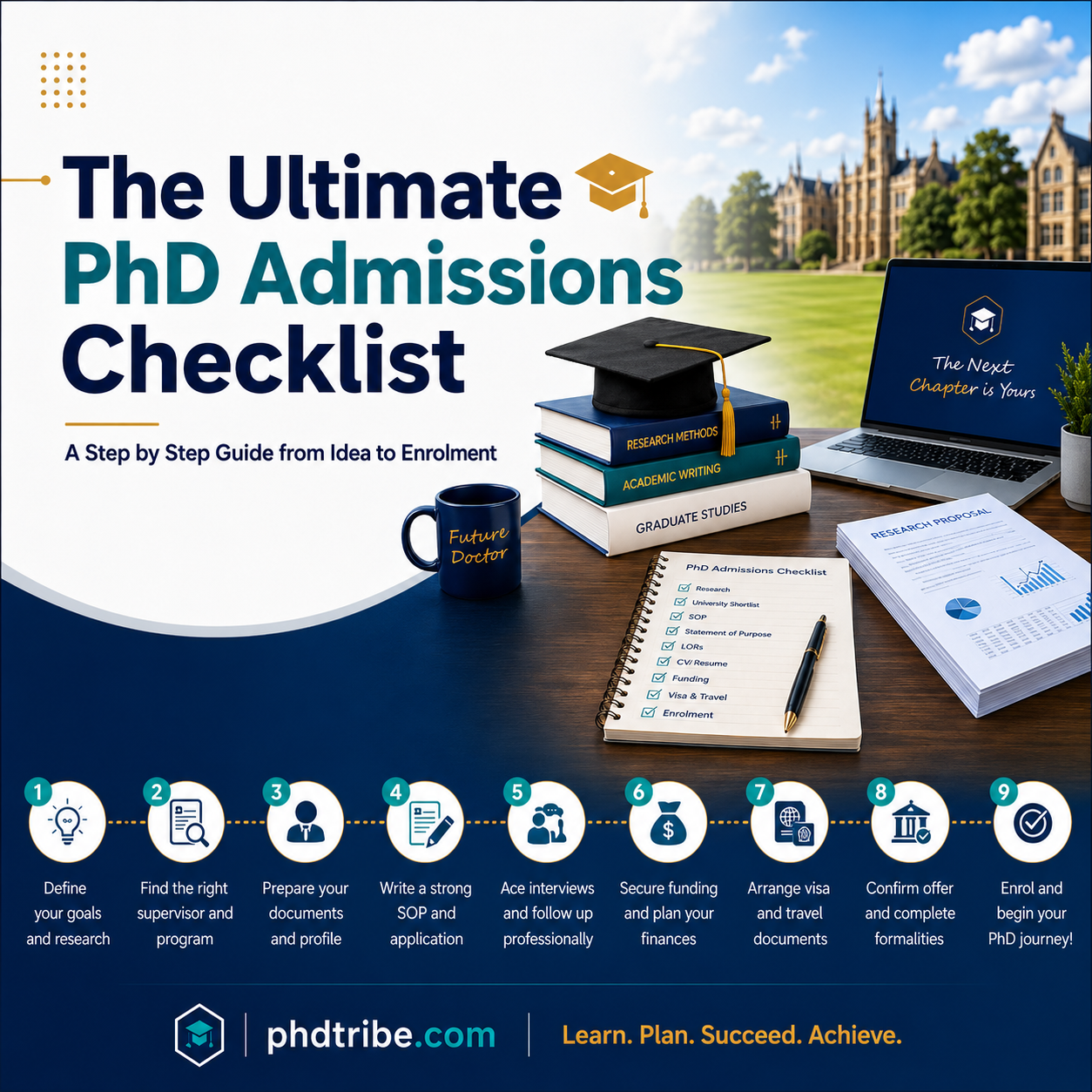
The Ultimate PhD Admissions Checklist: A Step‑by‑Step Guide from Idea to Enrolment
How to Choose the Right Country for Your Master’s or PhD Abroad
Why Your PhD Application Keeps Getting Rejected, and How to Fix It

Can I Really Get a Fully Funded PhD Abroad? Here is What Most Applicants Don’t Know
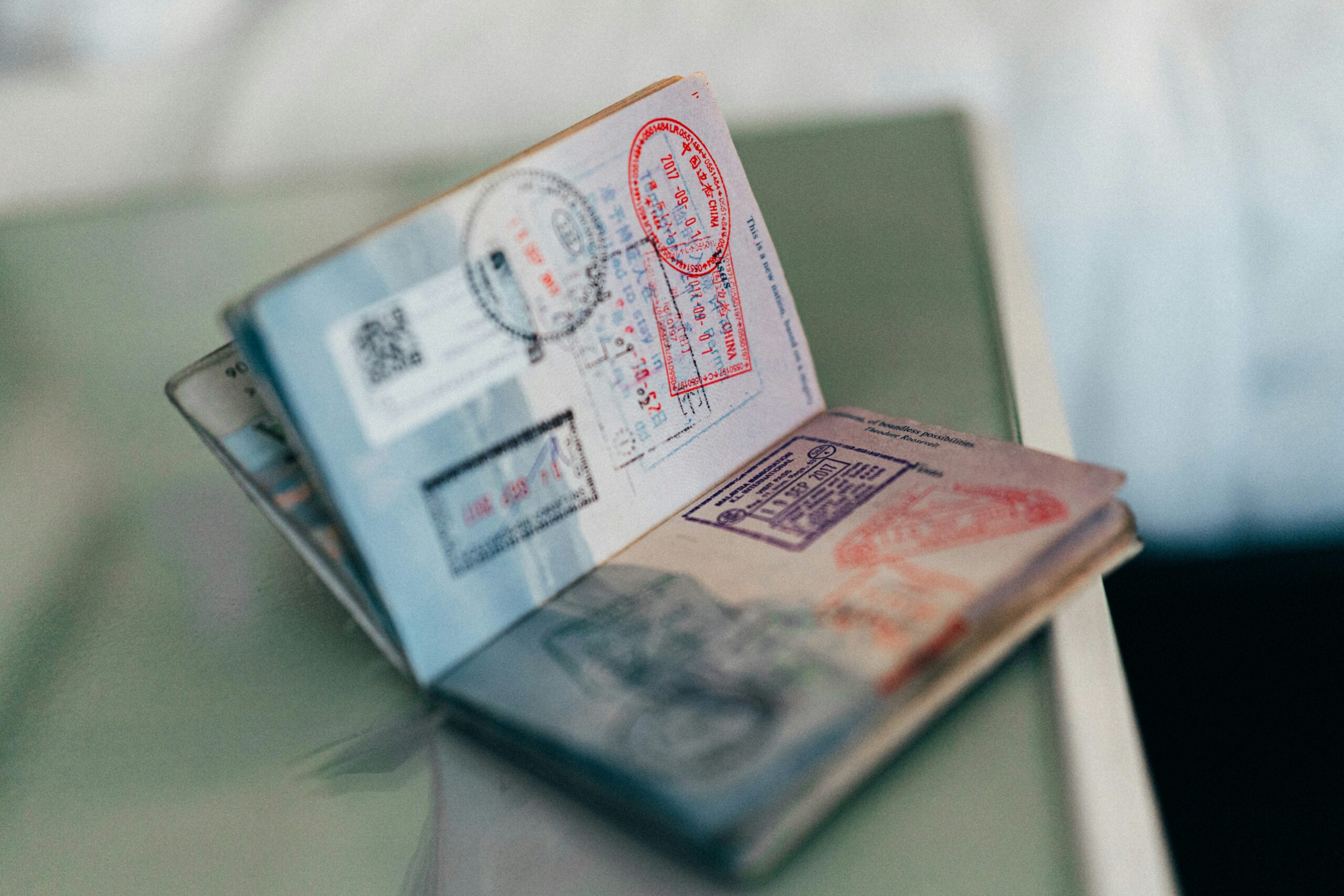
Post Study Work Visa (PSWV) After a PhD in New Zealand

Domestic PhD Fees in New Zealand: How International Students Can Stay Eligible and Avoid Costly Mistakes